Benefits of Beetroot Juice
Introduction
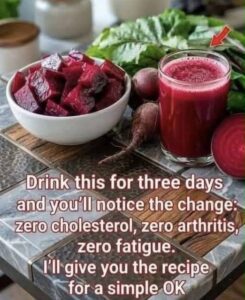
Beetroot juice is a bright red homemade drink made from fresh beetroot and a few simple ingredients.
It has a naturally sweet and earthy flavor that makes it different from ordinary fruit drinks.
You can enjoy it fresh in the morning, after a walk, or as part of a healthy meal routine.
Many people love beetroot juice because it is colorful, refreshing, and easy to prepare at home.
Fresh beetroot contains useful nutrients and natural plant compounds that can support a balanced diet.
The beautiful red color also makes this drink look fresh and exciting when served in a clear glass.
With a little lemon, ginger, or apple, you can make the flavor even more enjoyable.
Beetroot is well known for naturally containing nitrates, which the body can convert into nitric oxide.
Nitric oxide helps blood vessels relax and widen, which is one reason beetroot has received attention in nutrition and sports research.
Some studies suggest that beetroot products may support exercise performance and healthy blood pressure in certain people.
The amount of benefit can depend on the amount consumed and the individual person.
Beetroot also contains folate, potassium, manganese, and other nutrients that can be part of a healthy eating pattern.
This does not mean beetroot juice is a medicine or that drinking it will cure a health problem.
Instead, it can be a tasty way to include beetroot in your regular diet.
There are many good times to enjoy beetroot juice.
You can have it with breakfast when you want a fresh drink to start your day.
Some people enjoy beetroot juice before physical activity because beetroot nitrates have been studied for their possible effect on exercise performance.
Others simply enjoy it because they like the sweet earthy flavor and beautiful color.
You can also make a small glass when you want an alternative to sugary packaged drinks.
For a balanced routine, remember that one drink cannot replace healthy meals, movement, sleep, and proper hydration.
Beetroot juice works best as one simple part of an overall healthy lifestyle.
Ingredients You Will Need
This recipe makes about 2 servings.
• 2 medium fresh beetroots
• 1 medium apple
• 1 inch fresh ginger
• 1 tablespoon fresh lemon juice
• 1 cup cold drinking water
• 4 or 5 fresh mint leaves, optional
• 2 or 3 ice cubes, optional
You can leave out the apple if you prefer a less sweet drink.
You can also add more water if the juice tastes too strong.
Step by Step Method
Step 1: Wash the Ingredients
Start by washing the beetroot, apple, ginger, and mint carefully under clean running water.
Remove any dirt from the surface of the vegetables and fruit.
Clean ingredients are important when preparing fresh juice.
Allow everything to drain before you begin cutting.
Step 2: Prepare the Beetroot
Cut the tops and bottoms from the beetroots.
Peel the outer skin using a vegetable peeler.
Cut the beetroot into small pieces.
Small pieces are easier to blend and can help your blender work more smoothly.
Beetroot can stain hands and kitchen surfaces because of its strong natural color.
You may want to use a cutting board that is easy to clean.
Step 3: Prepare the Apple
Wash the apple well.
Cut it into pieces.
Remove the core and seeds.
You can leave the skin on if the apple is washed properly.
The apple adds natural sweetness and helps balance the earthy flavor of beetroot.
Step 4: Prepare the Ginger
Peel the fresh ginger.
Cut a small piece about one inch in size.
If you enjoy a strong ginger flavor, you can use a little more.
If you are new to ginger juice, start with a smaller amount.
Ginger can have a strong spicy taste.
Step 5: Blend Everything
Add the beetroot pieces, apple pieces, ginger, and one cup of cold water to a blender.
Blend everything until the mixture becomes smooth.
You may need to stop the blender and stir the mixture once or twice.
If it is too thick, add a little more water.
Do not add too much water at once because you can always add more later.
Step 6: Strain the Juice
Place a fine strainer over a large glass or jug.
Pour the blended mixture through the strainer.
Use a clean spoon to gently press the mixture and remove more liquid.
You can keep the pulp if you like.
The pulp contains fiber and can be added to smoothies, soups, or other recipes.
Step 7: Add Lemon Juice
Add one tablespoon of fresh lemon juice.
Stir the drink well.
Lemon gives the beetroot juice a fresh and slightly sour flavor.
It can also help balance the sweetness of the apple.
Step 8: Add Mint
If you want a cooler flavor, add a few fresh mint leaves.
You can stir them into the drink or blend them with the other ingredients.
Mint is optional, so you can leave it out if you prefer the natural beetroot taste.
Step 9: Serve
Pour the fresh beetroot juice into clean glasses.
Add a few ice cubes if you want a cold drink.
Serve immediately for the freshest taste.
You can also place it in the refrigerator for a short time before serving.
Protein and Nutrition Details
Beetroot juice is not a high protein drink.
Its main nutritional value comes from vegetables, fruit, natural plant compounds, vitamins, minerals, and carbohydrates rather than protein.
Two medium beetroots provide approximately 3 grams of protein.
One medium apple provides approximately 0.5 grams of protein.
One inch of fresh ginger provides less than 0.2 grams of protein.
One tablespoon of lemon juice provides almost no protein.
Mint provides only a very small amount of protein.
The complete recipe provides approximately 3.5 to 4 grams of protein.
If divided into two servings, each serving provides approximately 1.7 to 2 grams of protein.
The exact amount will depend on the size of the beetroot and apple and how much pulp is removed during straining.
If you want a higher protein drink, beetroot juice can be enjoyed alongside Greek yogurt, cottage cheese, eggs, or another protein rich food.
Why This Recipe Is Special
One of the biggest benefits of beetroot juice is that it provides beetroot in an easy and enjoyable form.
Beetroot naturally contains nitrates.
The body can convert dietary nitrates into nitric oxide.
Nitric oxide plays an important role in blood vessel function.
Research has looked at beetroot and beetroot juice for possible support of exercise performance and blood pressure.
Some people may experience a small reduction in blood pressure after consuming nitrate rich beetroot products.
However, the effect is not the same for everyone.
Beetroot also provides folate, which is an important nutrient involved in normal cell function.
It contains potassium, which supports normal muscle and nerve function.
Beetroot also contains plant compounds called betalains.
Betalains are responsible for much of the deep red color of beetroot.
They are also being studied for their antioxidant properties.
Supports a Healthy Eating Pattern
Adding beetroot to your diet can help increase your intake of vegetables.
A healthy eating pattern usually includes a variety of vegetables, fruits, whole grains, protein foods, and healthy fats.
Beetroot juice can be one small part of that pattern.
May Support Exercise Performance
Beetroot nitrates have been studied in relation to exercise.
Some research suggests that nitrate rich beetroot products may improve exercise efficiency or performance in certain situations.
This is one reason beetroot juice is popular among some active people.
However, it should not be considered a replacement for proper nutrition, training, rest, or hydration.
Contains Natural Plant Compounds
Beetroot contains betalains and other plant compounds.
These substances contribute to the color and nutritional qualities of beetroot.
Eating a variety of colorful vegetables is a simple way to get different plant compounds from food.
Naturally Refreshing
When served cold with lemon and mint, beetroot juice can be very refreshing.
The apple adds natural sweetness without needing a large amount of added sugar.
This makes the homemade version easy to customize according to your taste.
Beetroot Juice and Blood Pressure
Beetroot juice has received attention because of its natural nitrate content.
Nitric oxide helps blood vessels relax.
Some research has found that nitrate rich beetroot products can lower blood pressure for a period of time in some people.
However, beetroot juice should not be used to replace prescribed blood pressure medicine.
If you take blood pressure medicine, speak with your healthcare professional before making large changes to your diet or using concentrated beetroot products regularly.
A healthy diet can support overall health, but medical conditions need proper medical care.
Beetroot Juice and Exercise
Beetroot juice is sometimes used before exercise because of its nitrate content.
Research suggests that dietary nitrate may help the body use oxygen more efficiently during certain types of physical activity.
This may be useful for some athletes and active adults.
However, individual results can vary.
There is no need to drink a large amount.
A small serving can be included as part of a balanced diet if you enjoy the taste.
Always pay attention to how your own body responds.
Extra Tips for Better Taste
Choose fresh beetroots that feel firm.
Smaller beetroots can sometimes have a sweeter and more pleasant flavor.
Use a naturally sweet apple if you want to reduce the earthy taste.
Add lemon gradually until you find the flavor you enjoy.
Use fresh ginger for a stronger and cleaner taste.
Add mint for a cool flavor.
Serve the juice cold for a more refreshing experience.
If the flavor is too strong, add more water.
If the juice tastes too earthy, add another small piece of apple.
Do not add large amounts of sugar.
The apple already provides natural sweetness.
You can also add cucumber for a lighter and fresher drink.
Carrot can be another good addition if you enjoy sweeter vegetable juices.
How to Store Beetroot Juice
Fresh juice is best enjoyed soon after preparation.
If you need to store it, place it in a clean airtight container and refrigerate it.
Keep the container cold and avoid leaving fresh juice at room temperature for long periods.
Shake or stir the juice before drinking because natural particles may settle at the bottom.
For the best flavor and freshness, make only as much as you plan to drink.
Final Thoughts
Beetroot juice is a colorful and simple homemade drink that can add variety to your healthy eating routine.
Fresh beetroot provides natural nitrates, folate, potassium, and colorful plant compounds.
Research has shown possible benefits of beetroot and dietary nitrates for areas such as exercise performance and blood pressure in some people.
The addition of apple, ginger, lemon, and mint makes the drink easier to enjoy and gives it a fresh and balanced flavor.
It is important to remember that beetroot juice is not a miracle drink and cannot replace a balanced diet or medical treatment.
Enjoy it as part of a healthy lifestyle, along with plenty of water, nutritious foods, regular movement, and good rest.
With its bright color and fresh taste, homemade beetroot juice can be a simple and enjoyable addition to your day.
Disclaimer
This article is for general food and wellness information only.
Beetroot juice is not a medicine and should not be used to diagnose, treat, or cure any medical condition.
Everyone’s body is different, and results may vary from person to person.
Beetroot can temporarily make urine or bowel movements appear pink or red, which can be harmless, but unusual or persistent blood in urine or stool should always be checked by a healthcare professional.
People who take blood pressure medicine or have a medical condition should speak with a qualified healthcare professional before making major dietary changes.
Nutrition values are estimates and can change depending on ingredient size, preparation method, and serving size.